
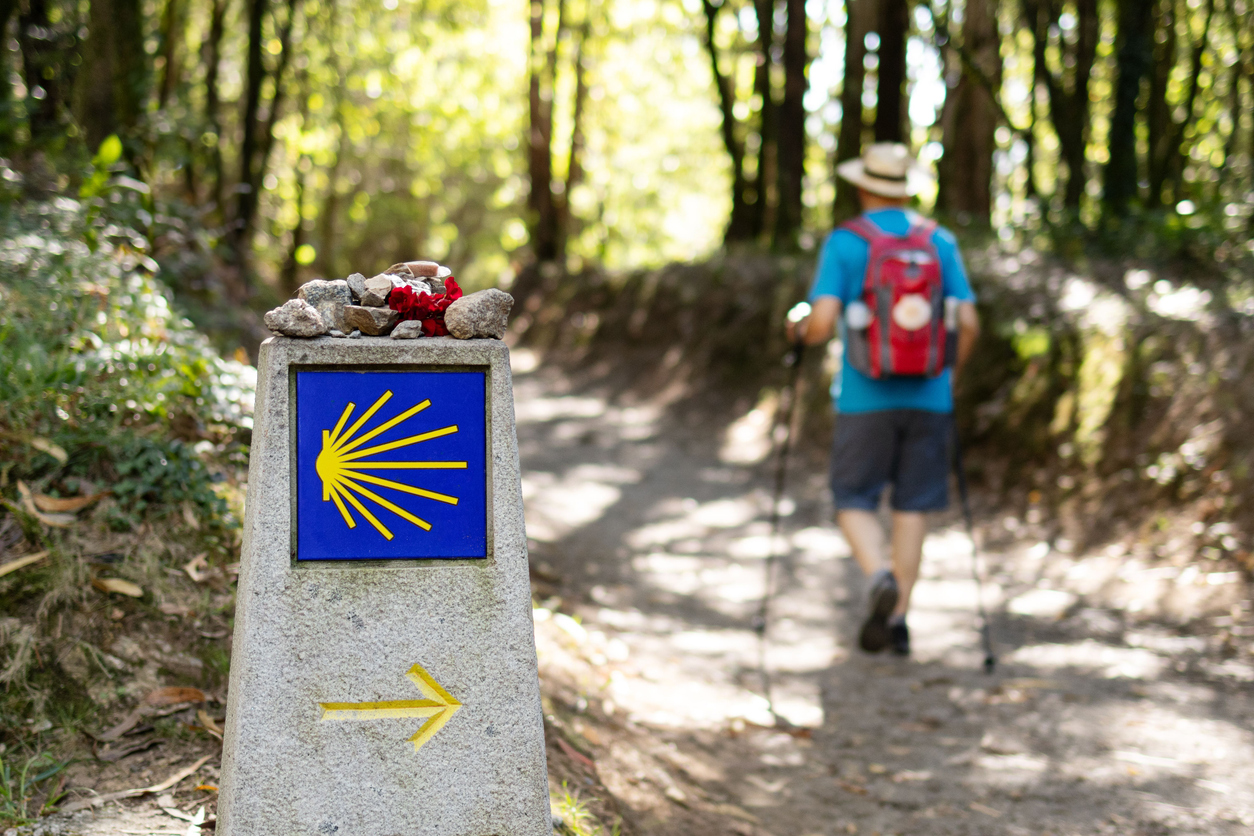
THERE ARE TRIPS MEASURED IN KILOMETERS… In the Camino de Santiago, many people think about the physical challenge, the landscapes, or the romantic idea of walking through Spain for days. However, you don’t have to be an athlete, hiking expert, or spiritual person to do this. In fact, most of those who walk the trail are searching for something much simpler: disconnecting from the daily noise.
WHAT IS CAMINO DE SANTIAGO?
The Camino de Santiago is a network of pilgrimage routes that lead to the city of Santiago de Compostela, in Galicia, in northern Spain.
According to tradition, you’ll find St. James the Greater’s tomb, and since the Middle Ages, thousands of pilgrims have started this walk for religious, personal, or cultural motives.
Today, the Camino combines history, nature, medieval towns, gastronomy, and a profoundly human experience.
Some people do the whole walk. Others explore sections of it. And both ways are valid.
WHAT IS THE BEST SEASON TO DO IT?
Your decision matters.
🌿Spring (April-June)
Probably one of the best seasons.
- Nice weather
- Green landscapes
- Less extreme heat
- Good balance between crowds and relaxation
☀️Summer (July-August)
The most popular season.
There’s more atmosphere among pilgrims, but it’s also warmer and with more accommodation demand.
🍂Autumn (September-October)
Another great option.
The weather is still comfortable and the Camino feels calmer.
❄️Winter
Less touristic, but some routes can be complicated due to rain, cold weather, or limited services. Did you know that Puerto Rico is a trending destination? Learn more here.
THE MOST POPULAR ROUTES (AND HOW TO CHOOSE YOURS)
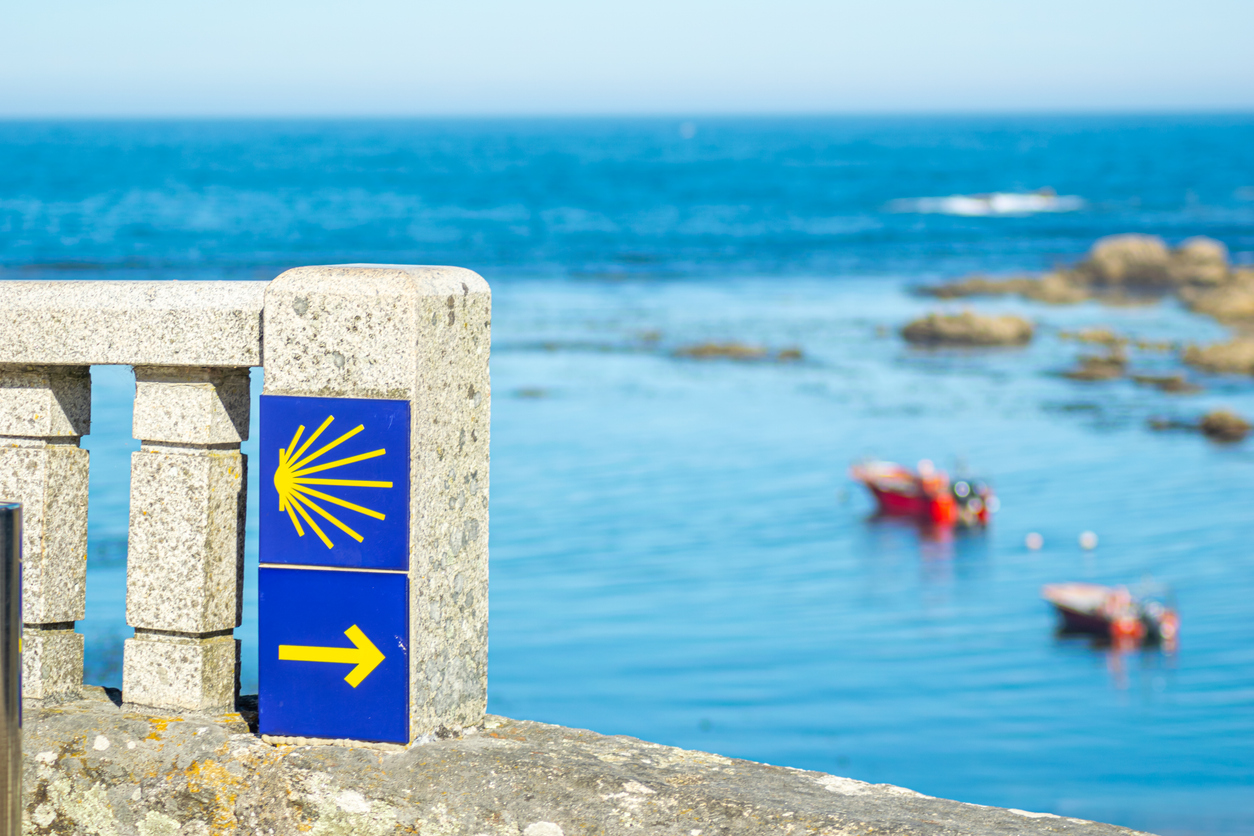
One of the best things about the Camino is that there’s more than one way of experiencing it.
These are some of the most well-known routes.
FRENCH ROUTE
The most famous and traditional route.
It starts in Saint-Jean-Pied-de-Port, France, and it crosses northern Spain.
Ideal if you’re looking for:
- A pilgrim environment
- Complete infrastructure
- Historic towns
- The “classic” Camino experience
PORTUGUESE ROUTE
Starts in Portugal, usually in Lisbon or Porto.
It has a calmer rhythm and beautiful coastal landscapes.
Ideal if you’re looking for:
- Fewer crowds
- Portuguese+Spanish gastronomy
- Relaxed walks
NORTH ROUTE
One of the most visually spectacular routes.
It covers the north coast of Spain by the Cantabrian Sea.
Ideal if you’re looking for:
- Impressive natural landscapes
- Fewer crowds
- A physical and challenging experience
THE LAST 100KM
Many travelers choose to walk the final section to get to the famous Compostela.
Ideal if:
- You don’t have as many weeks available
- You want the experience without the full journey
WHAT NO ONE TELLS YOU (AND YOU SHOULD KNOW)
The Camino is not about walking fast. In fact, the people who enjoy it the most are usually those who understand something from the beginning: the rhythm changes.
Some tips that make the difference:
- Pack less than what you think. Weight matters a lot after a few kilometers.
- Wear shoes you’ve already worn. Wearing new shoes is a bad idea.
- Stay hydrated. Especially during the summer.
- Book early for high season. Especially if you want comfortable accommodation.
- Listen to your body. Every day is different, it’s okay to adjust the rhythm.
THE END OF THE ROUTE
Getting to Santiago is hard to explain. After finishing the walk, entering the Praza do Obradoiro and seeing the Cathedral for the first time is usually a much more emotional moment than expected.
If you’re thinking about doing the Camino de Santiago, TravelXtra can help you structure the trip’s logistics: accommodation in every stop you choose or even extensions to continue exploring Spain after the journey.
You can also contact your Holiday Advisor to find the route that best adapts to the type of experience you’re looking for.
Are you ready to experience this with TravelXtra?
